The real problem with espresso is espresso itself.
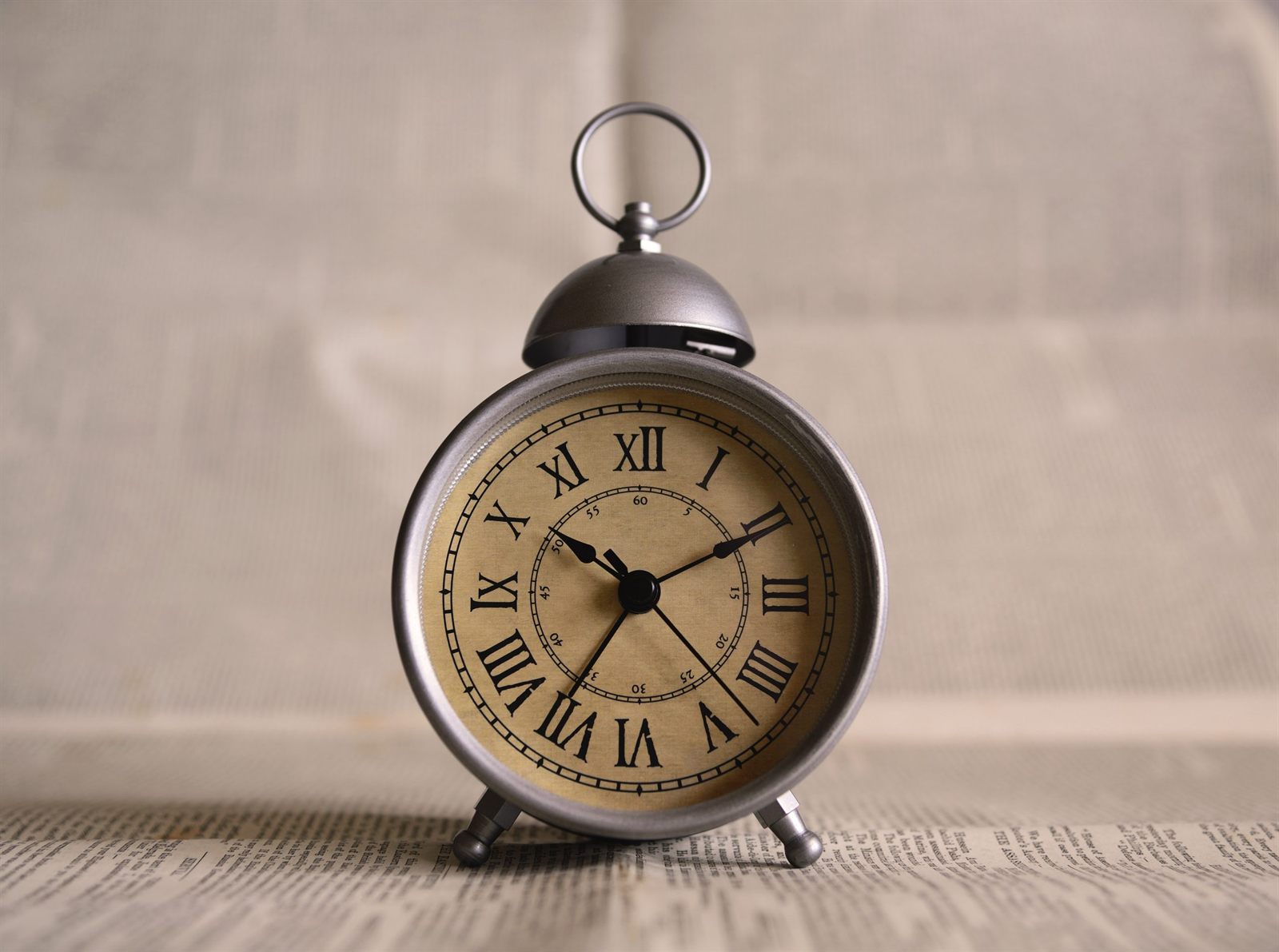
Time is a tyrant, and with espresso it undermines the perception of value. Photo credit: Krivec Ales from Pexels
“Espresso is a drink that takes a relatively short time to prepare, but above all a very short time to consume — a few sips. That is its great problem.”
Have you ever wondered why, in Italy, espresso is as popular as it is underpriced? I imagine you have, many times.
I have always held an idea that I often share with the professionals I meet: espresso is a drink that takes a relatively short time to prepare, but above all a very short time to consume — a few sips. That is its great problem. Because in their own mind the end customer always assigns a “time value” to what they buy or consume, based on how long it takes them to start it and finish it. That attributed value falls the shorter the consumption time is.
After all, a famous advertisement tells us that “a diamond (small, very small) is forever (infinite time)”, to persuade a slice of consumers to invest their money in something that lasts indefinitely.
Photo by Alexandr Podvalny from Pexels
A few pointers from neuromarketing:
The typical consumer — ourselves included — assigns on average a higher value to something with these characteristics:
- Greater size (have you ever noticed that pasta boxes are never filled to the brim?)
- Greater duration (time spent enjoying the good = more money and more value)
- Vivid colours (colours have always influenced buying decisions on the shelf)
- Tactile sensation (whether that is distinctive packaging on the shelf, or something in the mouth such as CO2 or strong body in the case of a drink)
- Gratification (how good does what I bought make me feel?) or status symbol (I buy it or drink it because it makes me look better)
- Guilt about the spend: the higher the value, the stronger the “justified reason” for the purchase has to be — whether the customer or the seller supplies it — along with the self-persuasion that the money was well spent, if only to justify the purchase to the people around us. For example: “yes, I paid more for it, but it’s better than anything you can buy elsewhere…”
If operators put even just these six selling rules into practice, they would succeed regardless.
Some examples:
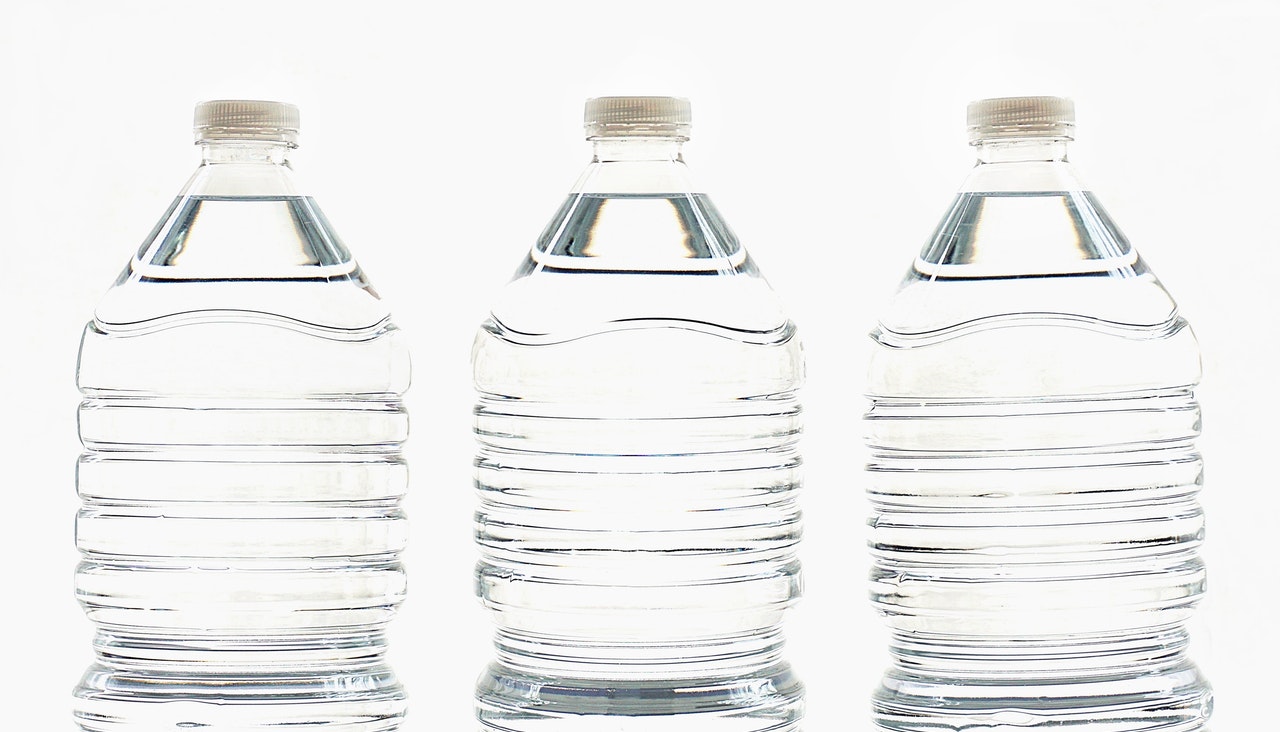
Photo by Suzy Hazelwood from Pexels
A 500 ml bottle of water costs around 25 cents and requires no additional expense beyond a fridge, yet the consumer is willing to spend €1.50 to buy it — €2.50 at the airport.
A fruit juice in a bar costs around 40 to 45 cents and requires only the fridge and the washing of a glass or a straw, yet it sells for between €2.50 and €3.
The same applies to a Gingerino: take a moment to consider the bright colour these drinks have.
Back to duration:
Among the various products we can sell in a bar, the one with the shortest duration is certainly espresso. On top of that, espresso often fails to satisfy the other factors listed above either: unattractive colour, small size, poor flavour, low price, little attributed value, low guilt, almost no gratification, no status symbol. That is why the consumer is unable to assign a higher value to the coffee they drink in a bar, and why to this day it remains one of the lowest perceived-value products you can find in a bar or a restaurant.
In essence, the true enemy of espresso is its small size and its rapid consumption, which turn this wonderful drink into a product that cannot be sold at its correct value — not today, and not in the past.
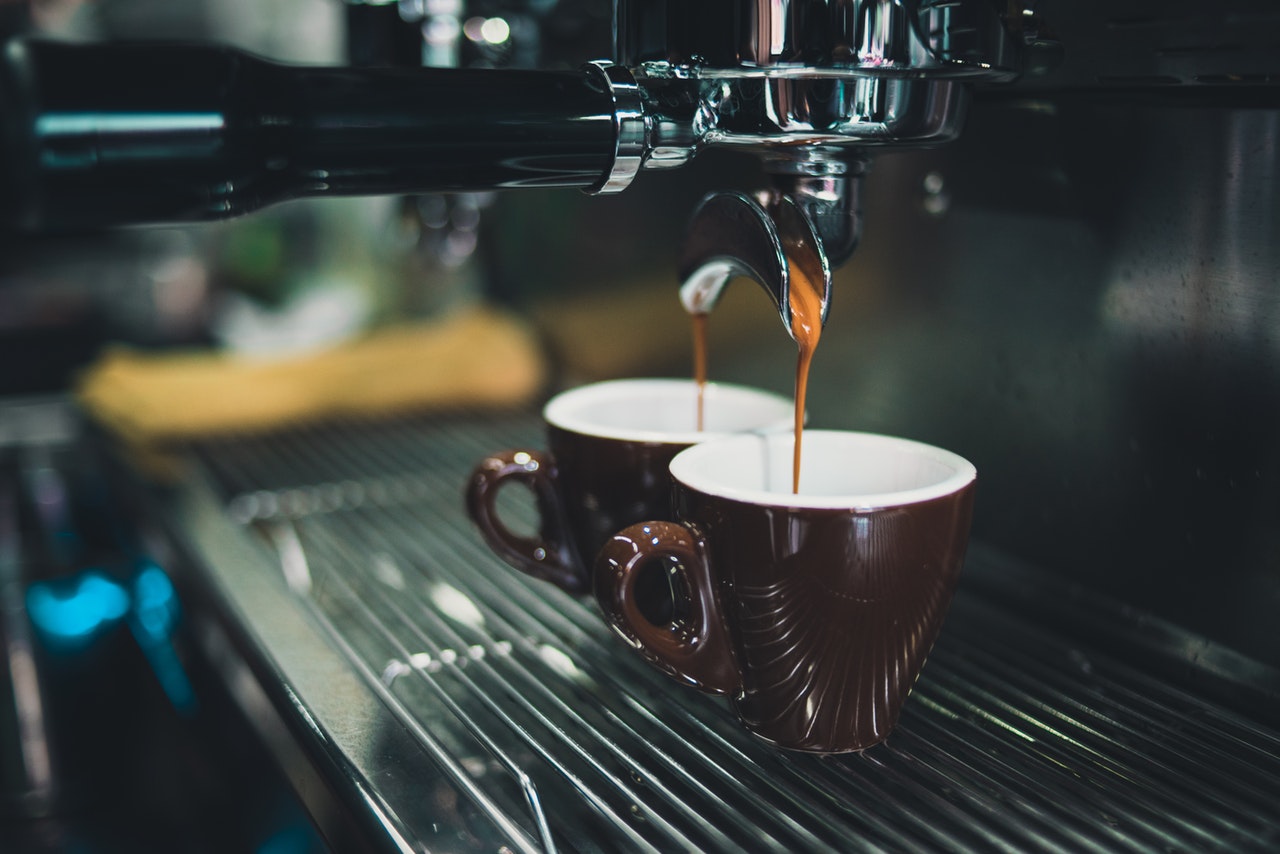
Photo by Chevanon Photography from Pexels
The solution? Let me reason about the future I would like. I can imagine three roads that could improve the situation:
- Raise the perceived value of the drink through careful direct and indirect communication — but also of the product itself — and through storytelling.
- Raise the professionalism of those who prepare and serve it, through continuous training that has to start with every company selling products to baristas, as a mantra for improving their own conditions.
- Create greater value through neuromarketing, applying even a handful of basic rules so that coffee is increasingly perceived as a product of value — value that has to genuinely be there — an emotion, a longer pause that lingers pleasantly even after you have finished drinking.